
TL;DR
-
Best overall: March (cherry blossoms, mild weather, pre-crowds) and October–November (clear skies, thinner crowds, comfortable temperatures)
-
Avoid with kids: Golden Week (late April–early May) and Obon (mid-August), domestic crowds, peak prices, sold-out hotels
-
Summer is survivable but hard: July–August is hot and humid; plan around it, not through it
-
Winter is underrated: December–February is dry and cold, but Tokyo’s indoor attractions are excellent and crowds drop significantly
-
Rainy season (June–mid July) is fine with the right mindset: not ideal for outdoor-heavy days, but museums, aquariums, and Disney work perfectly
The Situation in Japan
Tokyo doesn’t have a single “perfect” travel season; it depends on what kind of family you are.
Japan’s school and public holiday calendar drives domestic tourism patterns more than weather does. The two peak periods (Golden Week and Obon) can turn otherwise pleasant months into logistical nightmares. Understanding these peaks is more important than chasing the “best weather.”
What follows is an honest month-by-month breakdown for families traveling with children.
Month-by-Month Guide
January: Quiet and Cold
Weather: 2–10°C. Dry. Occasional frost in early January. Snow is rare in central Tokyo but possible.
Crowds: Low after the first week. New Year’s (January 1–3) is extremely busy at shrines and tourist areas; locals visit temples en masse (called hatsumode). Avoid Tokyo’s major shrines on January 1–2 unless you want to experience the tradition.

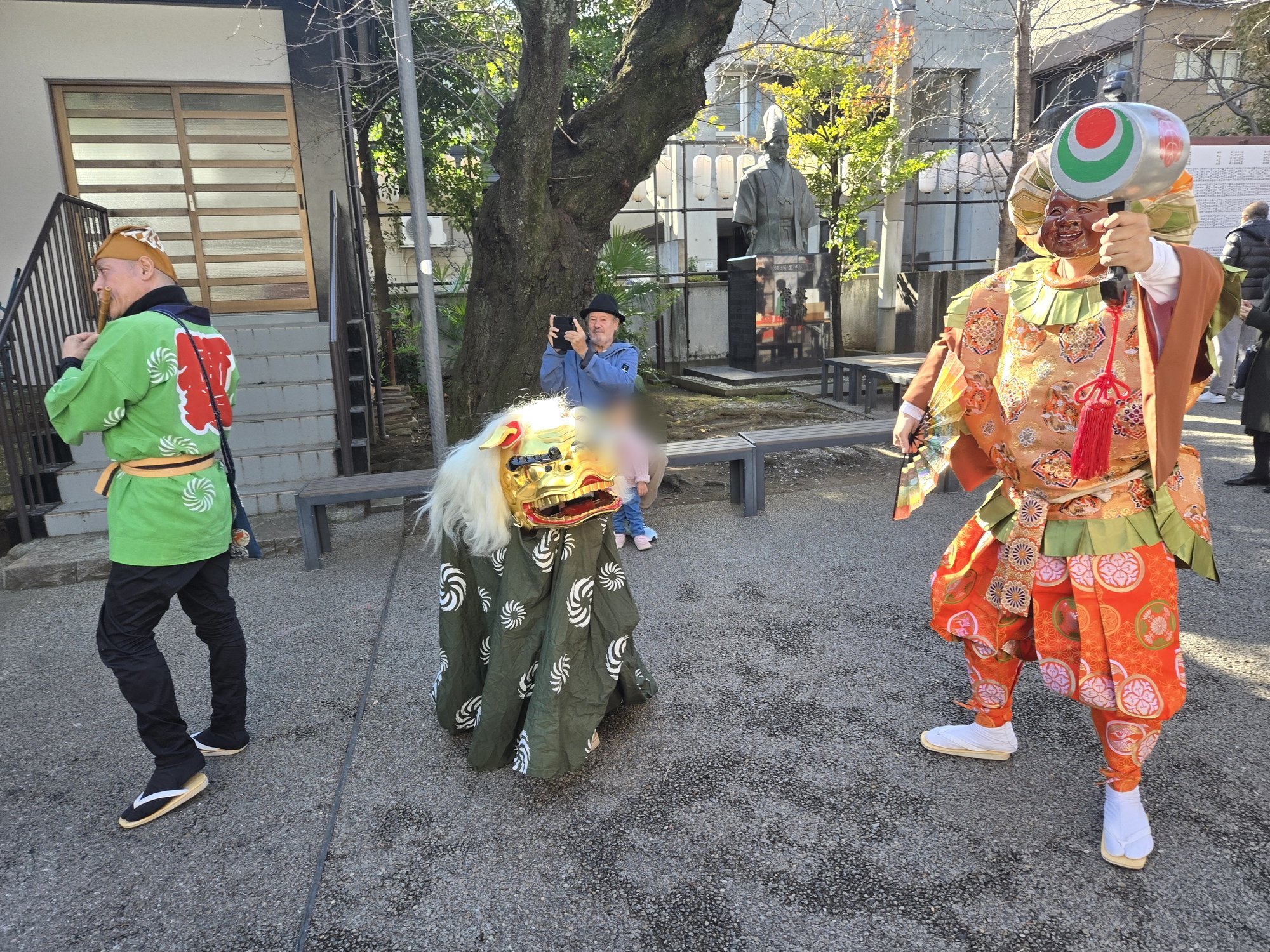
Many shrines also host a shishimai (lion dance) performance right around New Year, with a folk belief that having the lion “bite” your head brings good health for the year; small children often need a few visits before they’re brave enough to try it.
What works with kids:
-
Indoor attractions: aquariums, teamLab, museums all quiet
-
Tokyo DisneySea and Disneyland run special winter events and illuminations through mid-January
-
Department store New Year sales (fukubukuro lucky bags) are a fun cultural experience
What doesn’t:
-
Outdoor sightseeing is cold for small children; plan shorter outdoor windows
-
Some smaller attractions and restaurants close for the first few days of January
Packing: Warm layers, good walking shoes, gloves for kids. Tokyo’s winter is dry, cold but not wet.
February: Cold but Calm
Weather: 2–10°C. Driest month of the year. Occasional crisp, clear days.
Crowds: Low. One of Tokyo’s least-visited months for international tourists.
What works with kids:
-
Plum blossoms (ume) begin in late February; Shinjuku Gyoen and Yushima Tenman-gu are beautiful and not crowded
-
Great month for indoor-heavy itineraries: museums, teamLab, rainy-day backup plans all run without queues
-
Hotel prices are typically at their lowest
What doesn’t:
-
Still cold for very young children spending extended time outdoors
-
Not much “seasonal” to see yet
Packing: Same as January. February can feel deceptively cold on windy days.
March: One of the Best Months
Weather: 8–15°C, warming through the month. Mix of sunny days and spring rain.
Crowds: Moderate, building toward the end of March as cherry blossom season approaches. Spring break for Japanese schools begins late March.
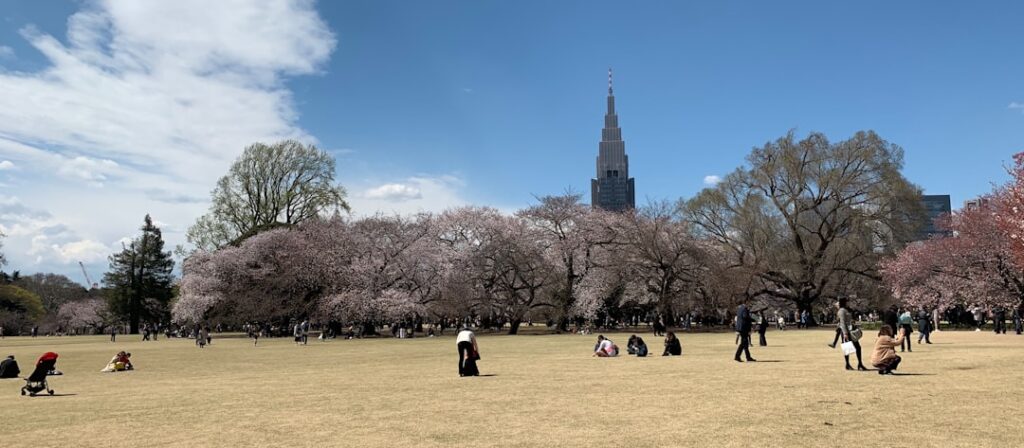
Cherry blossoms: Peak usually falls in late March to early April in Tokyo (exact timing varies year to year). Check real-time forecasts closer to your trip via the Japan Meteorological Corporation or Japan Guide’s annual tracker.
What works with kids:
-
Cherry blossom (hanami) picnics are one of the best family experiences in Japan; bring a mat, convenience store snacks, and let the kids run
-
Ueno Park, Shinjuku Gyoen, Chidorigafuchi are the classic spots; Shinjuku Gyoen has an entry fee (¥500 adults) which keeps it less chaotic
-
Shinjuku Gyoen tip for families: During cherry blossom season, adults visiting without children are required to make an advance online reservation. Families traveling with children are exempt from this requirement, a genuine advantage of visiting with kids
-
Weather is mild enough for full days outdoors without overheating
-
Indoor and outdoor attractions both work well
What doesn’t:
-
Late March coincides with Japanese school graduation and spring break; domestic travel picks up and popular spots get busier
-
Cherry blossoms last only about 1–2 weeks; timing your trip around peak bloom is uncertain
Spring is genuinely our own favorite season to be out with the kids in Tokyo, comfortable enough for a full day outdoors without the summer heat management this guide covers below.
Packing: Light layers. A waterproof jacket for kids. Temperatures can still drop in the evening.
April: Beautiful but Watch the Calendar
Weather: 12–20°C. Comfortable. Spring rain periods.
Crowds: Split in two. Early April (first 3 weeks) is one of the nicest times of year. Then Golden Week hits.
Golden Week: April 29 – May 5
This is Japan’s busiest domestic travel period, combining multiple public holidays. What it means practically:
-
Hotels in popular areas sell out months in advance
-
Prices spike significantly
-
Attractions, trains, and highways are packed with domestic tourists
-
DisneySea and Disneyland will have maximum wait times (2+ hours for popular rides)
If Golden Week is your only option: Book everything 4–6 months in advance. Accept crowds as part of the experience. Choose less central neighborhoods and off-peak hours (early morning openings, after 7 PM for dinner).
What works with kids (early April):
-
Tail end of cherry blossoms and early spring flowers
-
Comfortable temperatures for all-day outdoor exploration
-
Neighborhoods like Yanaka and Shimokitazawa are relaxed and family-friendly
Packing: Light jacket for mornings. Comfortable walking shoes.
May: A Hidden Sweet Spot
Weather: 17–23°C. Often the most consistently pleasant month of the year.
Crowds: Drop sharply after May 5. The week after Golden Week is remarkably quiet.
What works with kids:
-
Post-Golden Week Tokyo feels like a different city: domestic tourists go home and international visitor numbers haven’t peaked yet
-
Weather is near-perfect: warm enough for outdoor days, cool enough that young children don’t overheat
-
All outdoor attractions (parks, zoos, gardens) are at their best
-
Koinobori (carp streamers for Children’s Day, May 5) are visible throughout the city, a visual treat for kids
-
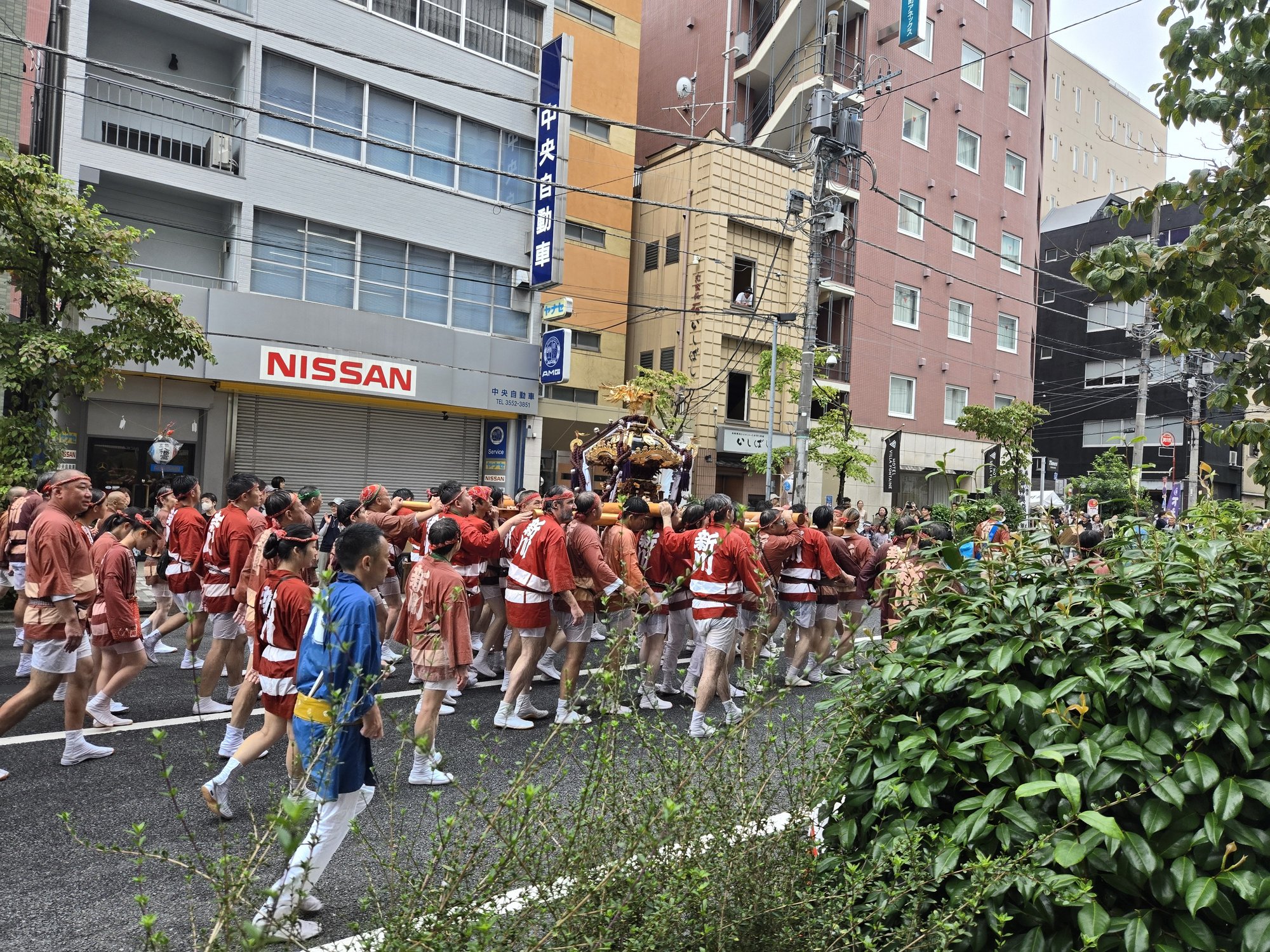
Festival season kicks off in May. Weekends throughout the month bring mikoshi (portable shrine) processions through neighborhoods across the city, a spectacular and very child-friendly street-level experience. Major May festivals include Sanja Matsuri (Asakusa, mid-May, one of Tokyo’s three great festivals), the Kanda Matsuri (Kanda Myojin Shrine, mid-May in odd-numbered years), and the Hanazono Shrine festival in Shinjuku. In early June, the Suga Shrine festival in Yotsuya draws local crowds. None of these require tickets; just show up. Our guide to Tokyo shrine festivals with kids covers how we handle the mikoshi, stalls, and crowds with our own twins
What doesn’t:
- The first week still has Golden Week crowds
Packing: Light layers. A small umbrella. Evenings can be cool.
June: Rainy Season
Weather: 20–25°C. Japan’s tsuyu (rainy season) typically runs mid-June to mid-July. Not constant rain, more like overcast skies with periodic heavy showers.
Crowds: Lower than spring peaks. Fewer international tourists choose this period.
What works with kids:
-
Rainy days are good museum and aquarium days; Tokyo has excellent indoor options and they’re less crowded than in peak season. A short trip to Yokohama for the Cup Noodles Museum, where kids make their own cup indoors, is another rainy-day option
-
Hydrangeas (ajisai) bloom in June; Meigetsuin in Kamakura (day trip) and Hondoji Temple in Chiba are stunning and off the beaten tourist track
-
Prices are lower than spring and autumn
What doesn’t:
-
Multi-day outdoor itineraries are unreliable
-
Humidity starts climbing, not unbearable, but noticeable
Packing: Lightweight waterproof jacket for kids (not heavy, it’s warm). Quick-dry clothes. Pack light: umbrellas are easily bought at any convenience store for ¥500–700.
July: Hot, Humid, Crowded
Weather: 25–33°C. High humidity. Feels hotter than the numbers suggest.
Crowds: Build significantly as Japanese school summer holidays begin mid-July. International visitor season peaks.
What works with kids:
-
Sumida River Fireworks Festival (Sumida River Hanabi Taikai) is the main event of the Tokyo summer, one of the largest fireworks displays in Japan, held on the last Saturday of July. Arrive at least 2 hours before the start to secure a spot; the surrounding streets become extremely crowded but the atmosphere is electric. Kids in yukata (summer kimono) are everywhere
-
Bon Odori (communal summer dancing) events run throughout July and August at shrines, parks, and community spaces across Tokyo, free to join, welcoming to all ages. Our bon odori in Tokyo with kids guide covers the neighborhood dances we go to every year
-
Summer festival (matsuri) season: food stalls (yatai), goldfish scooping, and yukata rentals make for great family evenings
-
DisneySea and Disneyland summer events, though queues are long

What doesn’t:
-
Outdoor sightseeing between 11 AM–3 PM is genuinely unpleasant and risky for young children. Heat exhaustion is real.
-
Expect maximum crowds at most attractions
Practical heat strategy:
-
Start days at 8–9 AM, hit outdoor spots first
-
Retreat indoors (hotel, mall, museum) from 11 AM–3 PM
-
Resume outdoors after 4 PM
-
Keep portable fans, electrolyte drinks, and wet wipes for kids at all times
-
Buy a UV-blocking folding parasol once you’re here. This is the single thing we’d tell any family visiting in summer. Japanese drugstores and department stores sell foldable parasols specifically designed to block sunlight, and holding one over a stroller or a walking toddler makes a genuinely noticeable difference on a long outdoor stretch, more than sunscreen alone
Packing: Light, breathable clothing (UV-protection fabric is worth it). Portable fan. Sunscreen. Rash guards for outdoor water play.
August: Peak Summer
Weather: 28–35°C+. Most humid and hottest month. Typhoon risk begins.
Crowds: Japan’s busiest domestic travel month due to Obon (mid-August school break). Hotels in tourist areas are at or near capacity.
Obon: approximately August 13–16
Japan’s summer holiday when families traditionally return to their hometowns. For international visitors, this creates a counterintuitive dynamic: central Tokyo actually quiets down during Obon as locals leave the city. Department stores, shopping streets, and malls are noticeably calmer; this is one of the better windows for unhurried shopping and dining in central areas. The congestion shifts to transport hubs (airports, shinkansen, highways) on the days immediately before and after Obon.
Some family-run restaurants and small neighbourhood shops close during this period.
What works with kids:
-
Bon Odori dancing continues through August; check local ward (ku) event calendars for neighborhood events near your hotel
-
Major fireworks festivals in the Koto Ward area light up August evenings
-
Department stores and indoor shopping are unusually relaxed during Obon week
-
Beach day trips (Enoshima, Kamakura area) are active, though crowded on weekends
What doesn’t:
-
The heat remains the dominant challenge through August. Not ideal for young children spending extended time outdoors.
-
Transport on the days bracketing Obon (around August 11–12 and August 16–17) is at maximum congestion
Verdict for families: Possible, and the cultural texture of summer Tokyo is genuinely worth experiencing. Plan the heat and Obon transport windows as hard constraints, not afterthoughts.
September: Transition Month
Weather: 24–30°C early September, cooling to 20–26°C by month’s end. Typhoon season peaks in September.
Crowds: Drop noticeably after the first week as Japanese school summer holidays end.
Typhoon note: September is Tokyo’s highest-risk month for typhoons. Most pass or weaken before reaching central Japan, but a direct hit can disrupt transportation for 1–2 days. Travel insurance that covers trip interruption is worth having.
What works with kids:
-
Second half of September can be excellent: crowds thin out, temperatures become comfortable, and the city feels calmer
-
Silver Week (a cluster of public holidays, usually around September 21–23) creates a mini-peak; check the exact dates for your year
Packing: Light clothes for early September; add a layer for evenings later in the month.
October: One of the Best Months
Weather: 16–22°C. Clear skies. Low humidity. Comfortable for all-day outdoor activities.
Crowds: Moderate. International visitors increase as word spreads about autumn, but still much lighter than spring cherry blossom season.
What works with kids:
-
Arguably the best weather of the year for families; outdoor days are genuinely pleasant without overheating
-
Autumn foliage (koyo) typically peaks in mid-to-late November in Tokyo, but October brings the pre-foliage beauty of parks and gardens
-
Halloween events at Tokyo DisneySea and Disneyland are well-suited for families
-
Autumn food season: October is when Japan’s most prized seasonal ingredients arrive. Matsutake mushrooms, Pacific saury (sanma), chestnuts (kuri), new-harvest rice (shinmai), and sweet potato (satsumaimo) dishes appear on menus everywhere, an excellent time to eat well with adventurous kids
-
All outdoor and indoor attractions work equally well
What doesn’t:
- Not much. October is close to ideal.
Packing: Layers. Light jacket for mornings and evenings. Comfortable walking shoes.
November: Autumn Foliage Peak
Weather: 10–18°C. Cool and dry. One of Tokyo’s clearest months.
Crowds: Building through November as autumn foliage (koyo) peaks. Popular parks and temple grounds get busy on weekends.
What works with kids:
-
Peak autumn colors at Shinjuku Gyoen, Rikugien, and Hamarikyu Gardens, genuinely beautiful and walkable for older children
-
For a bigger koyo day out, Mount Takao is under an hour from Shinjuku on the fastest direct Keio Line trains, though it gets very crowded on November weekends
-
Meiji Jingu Gaien’s ginkgo avenue turns brilliant yellow in mid-November
-
Comfortable temperatures for all-day outdoor exploration
What doesn’t:
-
Weekend crowds at foliage spots can be significant. Weekday visits are much more relaxed.
-
Evenings get cold; small children need an extra layer
Packing: Warm layers. A light coat for evenings. Kids’ gloves for late November.
December: Quiet and Festive
Weather: 6–12°C. Cold but dry. Christmas illuminations throughout the city.
Crowds: Low for most of the month. Christmas Eve and New Year’s Eve are busy in entertainment districts, but tourist attractions are quiet.
What works with kids:
-
Tokyo’s Christmas illuminations are extensive and free: Omotesando, Marunouchi, Caretta Shiodome, Tokyo Midtown
-
DisneySea and Disneyland run their best seasonal events (Christmas and then New Year)
-
Indoor attractions are at their least crowded
-
Hotel prices drop significantly before the final week of December
What doesn’t:
-
Cold for young children spending long periods outdoors
-
Final week of December (December 28–31) marks the start of year-end holiday season; some attractions and restaurants close, transport gets busier
Packing: Warm layers, coat, gloves and hats for kids.
Best Options Compared: Quick Season Summary
| Season | Best for | Avoid if… |
|---|---|---|
| March (mid) | Cherry blossoms, mild weather | You’re flexible; late March gets busy |
| May (post-GW) | Best weather, low crowds | You need Golden Week dates |
| October | Ideal weather, manageable crowds | You need summer school holidays |
| November | Autumn foliage, cool and clear | You’re crowd-averse on weekends |
| February | Lowest prices, indoor focus | You want outdoor-heavy days |
| July–August | Festivals, fireworks, summer events | Young children who struggle with heat |
| Golden Week | You have no choice | You want affordable, uncrowded Tokyo |
Common Mistakes
1. Planning outdoor-heavy summer days without a heat strategy.
July and August in Tokyo are not like summer in most Western cities. 35°C+ with high humidity is physically demanding for adults and risky for small children. Families that don’t plan for midday retreats consistently report heat exhaustion and short tempers.
2. Booking around cherry blossoms without flexibility.
Cherry blossom peak is unpredictable; it shifts by up to 2 weeks year to year depending on winter temperatures. If your dates are fixed, blossoms may be early, at peak, or over. Plan for Tokyo in March because it’s a great time regardless, not because blossoms are guaranteed on specific dates.
3. Underestimating Golden Week.
Families who book during Golden Week expecting a “normal” Tokyo trip are consistently surprised. It’s manageable with thorough advance preparation, but spontaneous Tokyo, walking into a restaurant, picking an attraction on the day, essentially doesn’t exist during these dates.
4. Overlooking shoulder months.
February, June, and September don’t appear in “best time to visit” lists as often, but all three offer genuine advantages: lower prices, fewer crowds, and for families focused on indoor attractions, an excellent experience.
5. Choosing month by weather alone.
Japan’s crowd calendar matters more than weather for families. A pleasant-weather week during Golden Week or Obon will be harder than a cold week in February at most attractions.
FAQ
When is cherry blossom season in Tokyo?
Typically late March to early April, though the exact peak shifts year to year. Tokyo’s cherry blossom forecast is published annually by the Japan Meteorological Corporation from around February; check closer to your trip for current-year predictions.
What is Golden Week and should I avoid it?
Golden Week (approximately April 29 – May 5) is Japan’s biggest domestic holiday period, combining Constitution Memorial Day, Greenery Day, and Children’s Day. Domestic travel surges. For international families, avoiding it means cheaper hotels and shorter queues. If these are your only available dates, book everything 4–6 months in advance.
Is summer really that bad for families?
It depends on the family. Families with children under 5 will find July–August genuinely difficult; the heat is relentless and shade is limited in many parts of Tokyo. Families with older children (7+) who can pace themselves often enjoy the festivals and summer energy. The key is planning morning/evening for outdoor activities and midday for air-conditioned spaces.
What’s the cheapest time to visit Tokyo?
February and June tend to have the lowest hotel prices and airfares. September (excluding Silver Week) and early December also offer good value. Prices peak during Golden Week, Obon, and cherry blossom season.
Is Tokyo crowded year-round?
It’s a major global city, so there’s always activity. But the difference between a week in February and a week during Golden Week is dramatic: shorter queues, available restaurant tables, and a much more relaxed pace for families.
Will it snow in Tokyo?
Occasionally. Tokyo averages 3–5 light snowfalls per year, usually in January or February, and it rarely sticks. It’s more of a novelty than a disruption. Pack waterproof shoes as a precaution if visiting in winter.
Can we visit Tokyo in rainy season?
Yes, with adjusted expectations. Rainy season (mid-June to mid-July) doesn’t mean constant rain; it’s more like frequent overcast days with periodic heavy showers. Families who lean into indoor attractions (museums, teamLab, aquariums, Disney) during this period often find excellent value and smaller crowds.
Information checked: 2026/09