
TL;DR
-
Maihama is technically in Chiba, though it’s a direct 15-minute ride from Tokyo Station on the JR Keiyo Line, so it works equally well as a day trip or a dedicated overnight stop
-
The free Tokyo Disney Resort 40th Anniversary Priority Pass ended on August 31, 2026. Disney Premier Access (DPA), a separate paid, per-attraction, per-person system, is now the main paid way for most day visitors to book a specific time slot instead of standing in the general line
-
DPA is priced the same for a 4-year-old as an adult: roughly ¥1,000–2,500 per attraction and ¥2,500–3,500 for parades and shows, so a family’s DPA budget can add up fast once every child is old enough to need a paid ticket
-
Entry pricing is also variable by date: from roughly ¥8,900 for adults (18+), ¥7,400 for teens (12–17), and ¥5,300 for children (4–11), rising well beyond that on peak dates, with free entry under 4
-
Staying at a Disney hotel buys you Happy Entry (entering the park before general admission) and free luggage forwarding from Maihama Station. Both made a real difference for us with young kids, though we’ve mostly stayed on a work benefit rather than paying the full room rate ourselves, so we can’t speak to whether it’s worth that cost out of pocket
-
Across 6 family visits over 3 years, our own pattern shifted: our first visit, a casual day trip with a 1-year-old who barely rode anything, looked nothing like our more recent 2-day hotel stays with a 4-year-old who has favorite characters and opinions
-
On one visit, a popular attraction’s DPA slots looked sold out most of the day, then a slot opened up later for no reason we could identify. It happened once, so treat it as a reason to check again rather than a guaranteed workaround
The Situation in Maihama
Tokyo Disneyland and Tokyo DisneySea sit in Urayasu, Chiba, a 15-minute direct ride from Tokyo Station on the JR Keiyo Line to Maihama Station. From there, the Disney Resort Line monorail connects the station to both parks and most of the on-site hotels, and free shuttle buses run between the hotels and the parks as well. None of this requires a car, and unlike a lot of Tokyo day trips with kids, there’s no transfer to plan around.
The planning complexity isn’t the journey. It’s the ticketing and pass system, which has changed substantially in 2026: the free Tokyo Disney Resort 40th Anniversary Priority Pass that used to soften long waits ended on August 31, 2026, ticket prices now move by date rather than sitting at one fixed number, and Disney Premier Access (DPA), the paid line-skip system that ran alongside the free pass, is now the main option left for a specific time slot. None of this is hard once you understand it, but it changes the budget and the day-of strategy more than a first-time visitor might expect.
Our own family has been 6 times since 2023, across our twins’ ages 1 through 4, split between casual day trips and hotel stays at the Disney Ambassador Hotel. That mix of approaches, more than any single visit, is what this guide is built on.
Day Trip or Hotel Stay: What Changed for Us
Our first visit was a day trip, and it suited a 1-year-old who wasn’t riding much anyway. Our twins had just turned one and a half: strollers for almost everything, no restaurant reservations, food eaten on a bench between naps. Looking back, a hotel stay wouldn’t have bought us much that visit.
From age 2 and a half onward, we switched to staying at the Disney Ambassador Hotel for most visits, splitting the trip across two park days rather than trying to fit everything into one. We should say upfront: most of these stays came through a work benefit rather than paying the full room rate ourselves, so we can talk about what the stay changed for our days, but not whether it’s worth the price at full cost. The two things that mattered most in practice:
-
Happy Entry. Hotel guests get into their park before general admission, with eligible hotel-to-park combinations that vary and change over time: Tokyo Disneyland’s list of eligible hotels is broader (Ambassador Hotel and Tokyo Disneyland Hotel guests have had it reliably), while DisneySea access is normally limited to DisneySea Hotel MiraCosta and Fantasy Springs Hotel guests, with other hotels sometimes added for specific date ranges. It’s excluded on check-in day, and blackout dates are set roughly 4 months ahead and vary by hotel and park, so confirm the current rules for your specific dates rather than assuming a blanket policy.
-
Recovery time. If a child hits a wall at 3pm, as ours regularly did around age 2 and 3, a free shuttle bus gets you back to the hotel without the hour-plus trip back to central Tokyo. We’d head back for a nap or an early dinner, then return for evening rides when the park had thinned out on some of our visits.
At full price, official Disney hotels run well above off-site options in the same area, so weigh Happy Entry and the midday break against that cost for your own family rather than taking our experience as proof it’s worth it. See our Where to Stay in Tokyo with Kids guide for how Maihama compares with other hotel bases, since third-party hotels near Maihama, including some chain options, offer shuttle service without the on-site price premium. We haven’t personally used a paid vacation package either, so we can’t speak firsthand to that specific booking route.
Getting to Maihama and the Ambassador Hotel
From central Tokyo: JR Keiyo Line from Tokyo Station direct to Maihama Station, about 15 minutes, no transfer.
Checking in before check-in time: on more than one visit, we sent our luggage ahead rather than carrying it into the park for the day. Maihama Station has a Disney hotel service counter where bags can be dropped off (reception runs roughly 7:30–16:00), and the hotel then has them ready at its own guest service counter once you arrive. On a check-in day, this means arriving at the station, handing off the bags, and heading straight into a park with nothing to carry, rather than waiting around a hotel lobby for a room.
A typical Ambassador Hotel check-in day, from our visits: check in from around mid-afternoon, an early dinner at the hotel, then into the park for the evening. On the visits where an evening parade or show was running, arriving for just those few hours felt easier on everyone than a full opening-to-close day would have.
Room setup with two young kids: the Ambassador Hotel set up a trundle bed for one twin, with the other sharing a bed with a parent. Takeout breakfast boxes from the hotel café were an easy option on mornings when getting dressed and out the door on time mattered more than a sit-down breakfast.
For more on IC cards, luggage, and getting around Tokyo generally with young kids, see our guide to navigating Tokyo’s train system with kids.
Tickets, DPA, and What the Budget Actually Looks Like
Entry tickets are priced by date, not a flat rate. 1-Day Passports currently start from roughly ¥8,900 for adults (18+), ¥7,400 for teens (12–17), and ¥5,300 for children (4–11), rising well above that on peak dates and during the busiest calendar stretches, with free entry for kids 3 and under. Check the official ticket page for your specific date before budgeting, since a peak Saturday and a quiet weekday can differ by thousands of yen per person.
The free Tokyo Disney Resort 40th Anniversary Priority Pass ended on August 31, 2026. Disney Premier Access, which ran alongside it as a separate paid system the whole time, lets you book a specific time slot to ride a popular attraction or catch a show without standing in the general line. It’s priced per person, normally bought through the official app (a limited number of in-park counters also sell it), currently around ¥1,000–2,500 for most attractions and ¥2,500–3,500 for parades and shows. There’s no discount for children: a 4-year-old’s DPA slot costs the same as an adult’s, though it’s free for a child 3 or under accompanying someone who has bought a slot.
This is where the budget jumps once a child turns 4. Free entry and no DPA cost end at 3; from 4 onward, a child needs a paid ticket and, if you want to use DPA for them the way you would for yourself, a paid DPA slot per ride. We noticed this directly: our first visit after our twins turned 4 cost noticeably more than the visit just before, for a very similar day.
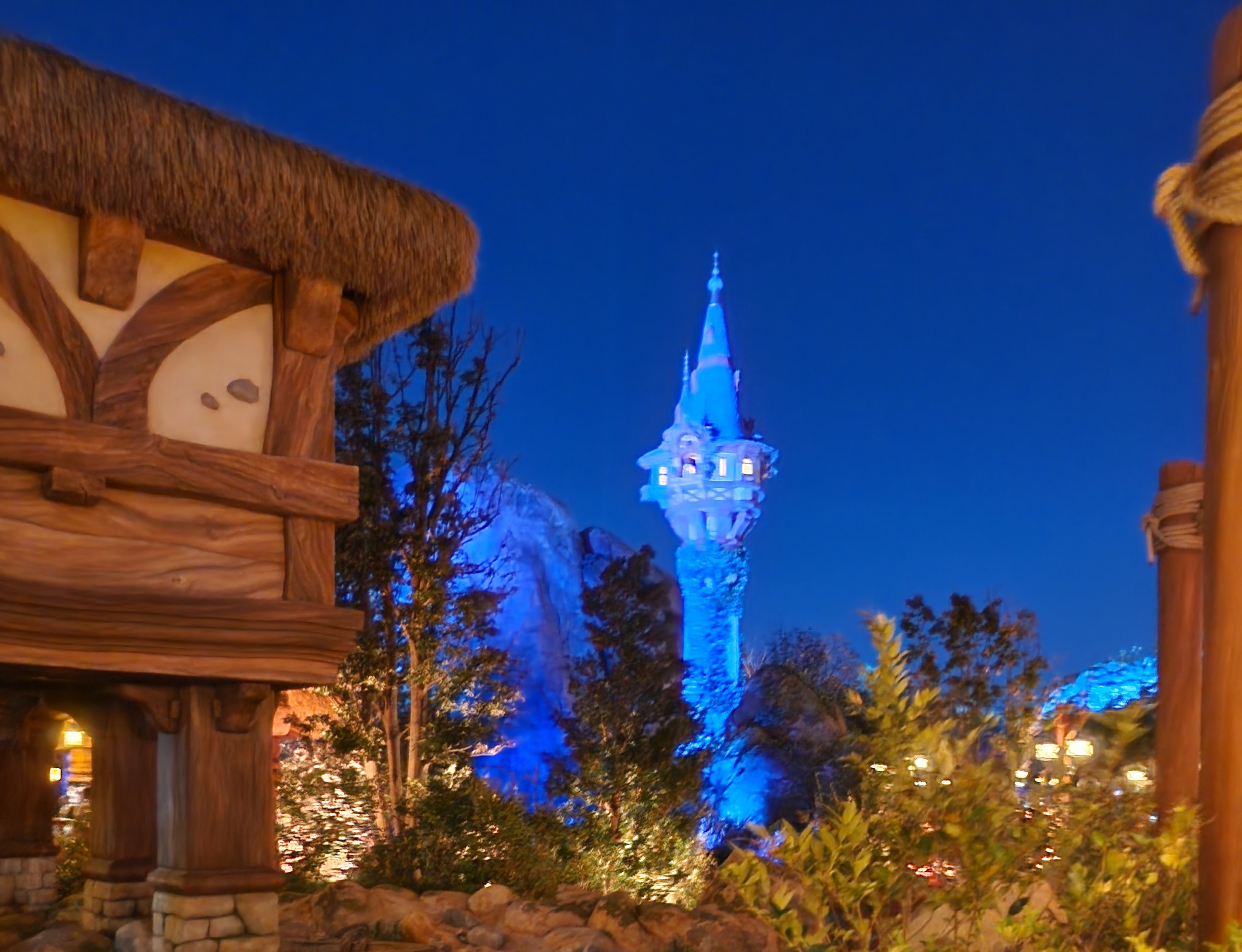
DPA slots for a specific attraction can sell out and then reappear. On one visit, a popular attraction’s DPA slots looked sold out most of the day, but a slot for Frozen opened up partway through. We don’t know why it reappeared (official policy is that a confirmed DPA purchase can’t be cancelled), but checking the app again later in the day, rather than assuming an early sellout is final, is worth the habit.
Best Options Compared: What Changed Across Our 6 Visits
Rather than a general age-by-age model, here’s what actually happened on each of our visits, since our twins’ interests, energy, and the rules themselves all shifted over time.
| Visit | Kids’ age | Trip type | What stood out |
|---|---|---|---|
| Oct 2023 | 1.5 | Day trip | Mostly stroller and atmosphere; the Western River Railroad was the one ride that really landed; a parade was cancelled for wind |
| Jun 2024 | 2.5 | Ambassador Hotel, 2 days | First time using Happy Entry; caught the Electrical Parade; used DPA once, for Baymax |
| Jan 2025 | 3 | Day trip | First DisneySea visit; first coaster (Flying Fish Coaster); used DPA for Rapunzel |
| May 2025 | 3.5 | Ambassador Hotel, 2 days | Steady rain kept crowds down, so we rode more with less waiting; a Chef Mickey dinner reservation was a highlight |
| Jan 2026 | 4 | Day trip | First visit needing paid entry and full-price DPA for both kids; noticeably pricier than the visit before, for a similar day |
| Apr 2026 | 4 | Ambassador Hotel, 2 days | A DPA slot for Frozen opened up mid-visit after looking sold out that morning |
Common Mistakes
1. Assuming a hotel stay is only worth it for the early entry.
Happy Entry matters, but the bigger practical win for us was always the midday recovery option: a short shuttle ride from a nap or an early dinner rather than an hour from central Tokyo, especially with kids under 4.
2. Assuming Happy Entry covers both parks on every visit.
Which park gets Happy Entry, and for which hotels, has changed between our own visits. On our April 2026 trip, only Tokyo Disneyland had it that day, so we built our two-day itinerary around DisneySea first (no early entry) and Disneyland second (with it), rather than assuming both days would start the same way.
3. Budgeting the same amount once a child turns 4.
Entry stops being free and DPA stops being free of a per-person charge at the same age. If your last visit was with a child under 4, expect the next one to cost meaningfully more for a similar day.
4. Treating a rainy day as a lost day.
Our rainiest visit (May 2025, see the table above) turned out to be one of our least crowded, with shorter waits across the board. Outdoor parades and shows are the most exposed to weather; indoor attractions on that visit ran as normal.
5. Expecting to “figure it out” in a single visit.
Our own sense of the parks, which rides suit which age, when to use DPA, how to structure a day around a nap, built up gradually across repeat visits rather than clicking into place the first time.
FAQ
Is it better to stay in Maihama or visit Disney as a day trip from central Tokyo?
Both work. A day trip is simple and sufficient with a toddler who won’t ride much regardless of home base, since Maihama is a direct 15-minute ride from Tokyo Station. For us, a hotel stay started making more sense once our twins were old enough to want two full park days, mainly for Happy Entry and a short trip back for a midday break rather than a long one, though most of our stays came through a work benefit rather than the full room rate.
What is Happy Entry and who gets it?
Happy Entry lets Disney hotel guests enter their park before general admission. Tokyo Disneyland’s list of eligible hotels is broader (Ambassador Hotel and Tokyo Disneyland Hotel guests have had it reliably); access to Tokyo DisneySea is normally limited to DisneySea Hotel MiraCosta and Fantasy Springs Hotel guests, with other hotels sometimes added for specific date ranges. It excludes your check-in day, and blackout dates vary by hotel and park and are set roughly 4 months in advance, so confirm the current rules for your actual visit dates rather than assuming a blanket policy.
Do I need to buy Disney Premier Access (DPA)?
You don’t need it, but the free Tokyo Disney Resort 40th Anniversary Priority Pass that used to offer a no-cost alternative ended on August 31, 2026. DPA, a separate paid system that ran alongside it the whole time, is now the main paid option for a specific time slot. It’s priced per person, roughly ¥1,000–2,500 for most attractions and ¥2,500–3,500 for parades and shows, with no discount for children once they’re old enough to need a paid ticket at all.
How much does a Tokyo Disney Resort day cost for a family with young kids?
It depends heavily on your kids’ ages and the date. Entry is free under 4 and variably priced by date from there, starting from roughly ¥8,900 for adults, ¥7,400 for teens (12–17), and ¥5,300 for children (4–11), and rising well above that on peak dates. Add DPA on top if you want to use it, per person, per ride. A family with a child just past their 4th birthday will notice a real jump from a similar visit the year before.
Is a Disney hotel worth the extra cost with young kids?
We can’t answer that at full price, since most of our own stays came through a work benefit rather than paying the room rate ourselves. What we can say: from around age 2 and a half, the midday break back to the hotel changed our days noticeably; under 2, we didn’t feel we were missing much on our simple day trip, since a toddler that age isn’t riding much regardless of where you’re staying.
How do I get from Tokyo to Maihama?
The JR Keiyo Line runs direct from Tokyo Station to Maihama Station in about 15 minutes, no transfer required. From there, the Disney Resort Line monorail connects the station to both parks and most on-site hotels, and free shuttle buses run between the hotels and the parks as well.
Can I send my luggage ahead to a Disney hotel before check-in time?
At the Disney Ambassador Hotel, yes: Maihama Station has a Disney hotel service counter (reception runs roughly 7:30–16:00) where you can drop bags off for free delivery to the hotel, then collect them at the hotel’s own guest service counter once you arrive. It’s a useful way to head straight into the park on a check-in day rather than carrying luggage around or waiting for a room.
Information checked: 2026/09