
TL;DR
-
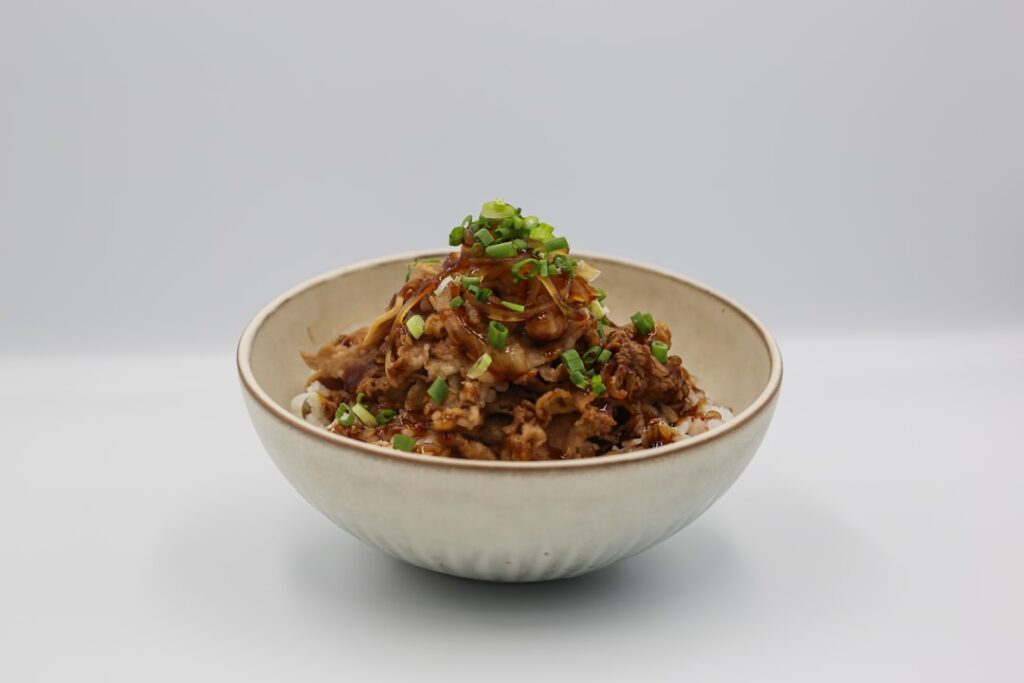
Gyudon (beef bowl) and udon chains are Tokyo’s real fast food, cheap, fast, everywhere, and far better quality than “fast food” implies back home
-
A full meal at a gyudon or udon chain typically runs ¥450–700 per person, mild, filling, and rarely a hard sell with kids
-
How you order varies by chain. Some use a ticket machine at the entrance, others take your order at the counter or table, and udon chains are often self-serve along a line. It looks confusing for the first ten seconds, then becomes routine
-
Seating is mostly counters, not high chairs. For a toddler who needs a proper chair or more elbow room, a shopping mall or department store food court is the better call than a gyudon counter
-
Gyudon and udon are naturally mild, with heat added separately at the table (shichimi pepper, beni-shoga pickled ginger) rather than cooked into the dish, a reliably non-spicy default for kids
-
Food courts trade a bit of speed for real tables, high chairs, and more variety, worth the short walk when you’re eating with a stroller or a fussier eater
-
Weekday lunch hour (roughly 12:00–13:00) near business districts gets busy with office workers. Eating a bit earlier or later usually means a shorter wait
Why These Are a Traveling Family’s Best Friend
Back home, “fast food” usually means a trade-off: quick, but not something you’d actually want to eat. In Tokyo, that trade-off mostly doesn’t exist. Gyudon (beef bowl) and udon chains are fast, cheap, and consistently decent, a genuine option for lunch, not a fallback.
These chains are everywhere near stations, and they’re built for speed: most tables turn over in 10–15 minutes, which matters when you’re managing a hungry, tired kid mid-sightseeing. The food itself is mild by design, simmered beef and onion over rice, or noodles in a light dashi broth, which tends to land well with picky eaters who won’t touch anything unfamiliar.
One timing note: these chains are also where office workers grab lunch, so locations near business districts get genuinely packed between roughly 12:00 and 13:00 on weekdays; expect a short wait or standing room at the counter during that window. Eating a little earlier (11:30ish) or a little later (after 13:30) usually means walking straight to a seat instead.
What this means for families
You don’t need to hunt down a “family restaurant” every time hunger hits. A gyudon or udon counter is often the fastest, cheapest, most reliable lunch option within a five-minute walk of wherever you are. The one adjustment: seating is usually a counter, not a table with high chairs, so read the room (and the age of your kids) before committing.
Step-by-Step: Ordering at a Gyudon or Udon Chain
Ordering style isn’t uniform across chains, so knowing which pattern you’re walking into saves a few seconds of confusion at the door.
Step 1: Work Out Which Ordering Style You’re In
-
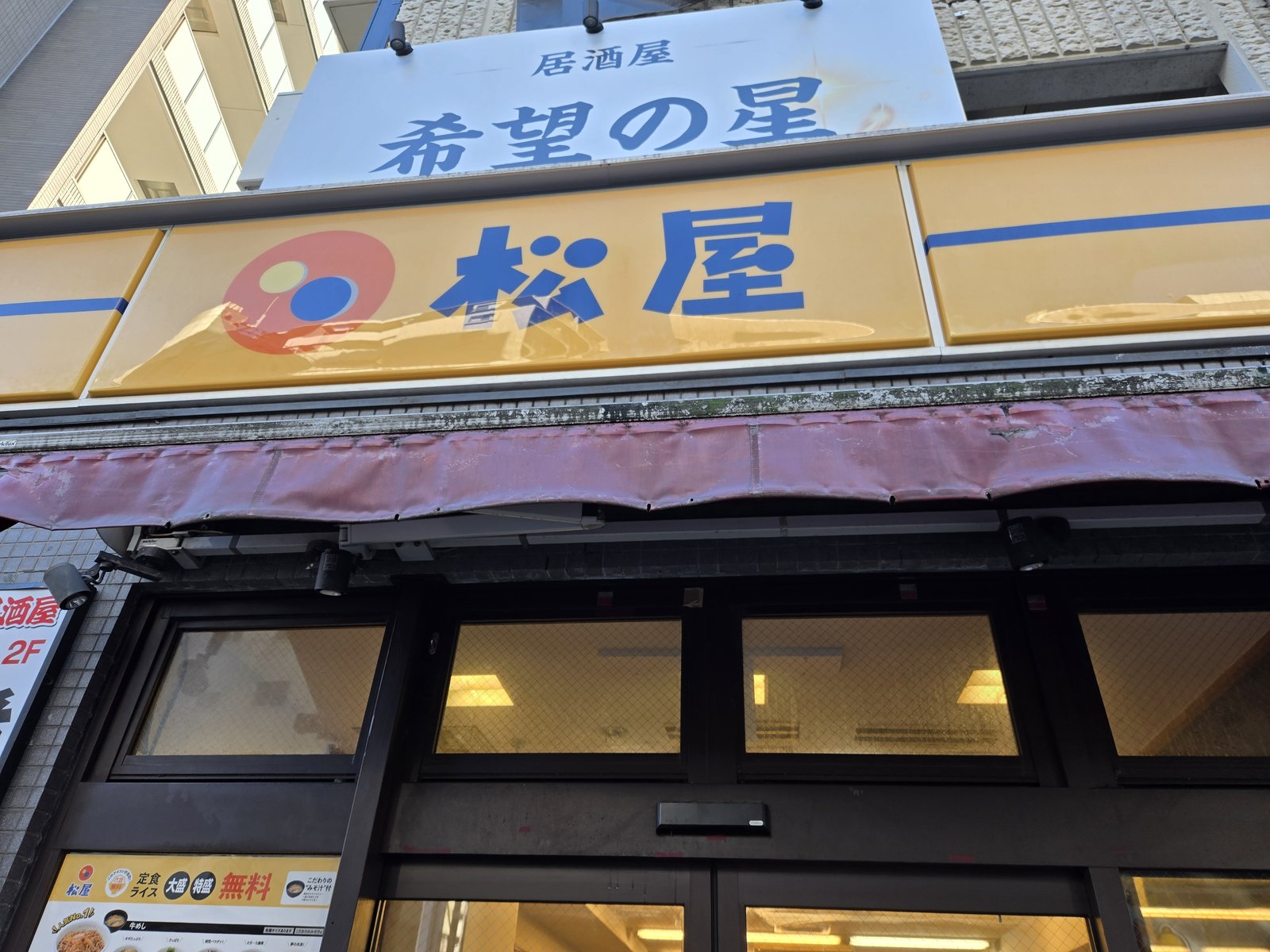
Ticket-machine style (most common at Matsuya): A vending-machine-style ticket machine (shokkenki) near the entrance. Insert cash or tap a card, press the button for your dish (photos are shown even when the text is Japanese), and a paper ticket prints out. Hand the ticket to staff or leave it on the counter once seated.
-
Counter-order style (common at Yoshinoya, and at many Sukiya locations): Sit down first and order directly from staff, or pay at a register near the counter; layout varies by branch, including some locations with a tablet at the seat. If you don’t see a ticket machine near the door, this is likely the format.
-
Self-serve line style (Marugame Seimen, Hanamaru Udon): Walk along a service line, tell staff your noodle order as you pass (or point at a picture), add tempura and side dishes from the counter as you go, and pay at the till at the end. It’s cafeteria-style, not table service.
If you’re ever unsure which style a specific shop uses, a quick glance at the entrance (is there a machine? a register? a line?) usually answers it, and staff are used to prompting confused customers either way.
Step 2: Pick a Size for Kids
Most gyudon chains offer at least two sizes, regular (nami-mori) and large (oo-mori), and some also offer a mini or small size. For a young child, a regular bowl is often more than enough to share between two kids, or order solo for one child with room to spare. Udon chains typically size by noodle portion (small, medium, or large), and a small bowl is a reasonable single-child portion.
Step 3: Check for a Kids’ Set
Not every chain has one, but it’s worth checking; Matsuya, for example, offers dedicated “okosama” (kids’) sets with beef rice or curry. Where a dedicated kids’ set isn’t on the menu, a small or regular bowl shared between children works just as well.
Step 4: Customize Mildly, If You Want
Both gyudon and udon are mild by default. If you want to add heat for the adults, shichimi togarashi (seven-spice pepper) is usually on the table, along with pickled red ginger (beni-shoga) for gyudon, both are opt-in, so there’s no risk of an unexpectedly spicy kids’ meal (per each chain’s official menu and ordering guide; 2026/07).
Gyudon vs Udon vs Food Court: What Fits Your Family
| Gyudon chains (Yoshinoya, Sukiya, Matsuya) | Udon chains (Marugame Seimen, Hanamaru Udon) | Food courts (shopping malls, department stores) | |
|---|---|---|---|
| Typical cost | ¥460–500 per bowl (dine-in, regular size) | ¥360–440 per bowl | ¥700–1,200 per meal, varies by stall |
| Speed | Very fast, often out the door in 10 minutes | Very fast, similar to gyudon | Slower, more like a real restaurant, but more variety under one roof |
| Seating | Mostly counter stools; limited or no high chairs | Mostly counter, some have small tables | Real tables, and high chairs are common |
| Spice level | Mild by default, spice optional at the table | Mild by default | Varies by stall, easy to choose mild options |
| Best for | A fast, cheap lunch when everyone just needs to eat and move on | Same as gyudon, plus a good option if beef isn’t appealing that day | Toddlers who need a proper chair, groups with different food preferences, or a longer sit-down break |
Prices and details above are per each chain’s own official site: Yoshinoya, Sukiya, Matsuya, Marugame Seimen, and Hanamaru Udon (2026/07).
Gyudon Chains: Yoshinoya, Sukiya, Matsuya
All three serve the same basic dish, thin-sliced simmered beef and onion over rice, with small differences worth knowing:
-
As of 2026/07, a regular dine-in bowl runs ¥460 at Matsuya, ¥480 at Sukiya, and ¥498 at Yoshinoya, close enough that branch convenience matters more than price when picking one. Sukiya has the widest branch count of the three, making it the easiest to simply stumble across.
-
Matsuya includes a free bowl of miso soup with dine-in beef-rice orders (not with takeout), a small but nice touch when you’re feeding a family, and offers dedicated kids’ (“okosama”) sets.
-
Yoshinoya is the oldest and most internationally recognized of the three, with a broader tourist familiarity if you want the “classic” version.
All three also sell non-beef options (curry rice, chicken dishes) if a child isn’t a beef fan on a given day; check the menu or machine photos for alternatives.
Udon Chains: Marugame Seimen, Hanamaru Udon
Both serve fresh, chewy udon noodles in a light dashi-based broth, generally cheaper than gyudon and just as fast:
-
Marugame Seimen makes noodles fresh in-house at most locations, and you can often see them being made, and offers a wide range of tempura and side dishes to add to your bowl cafeteria-style. The noodles themselves are genuinely good, which is why we go as adults. It added a dedicated kids’ set to its menu in 2025, after not having one for years; check the current menu board or app for exact pricing and contents, since kids’ set details change from time to time.
-
Hanamaru Udon tends to run slightly cheaper at the smallest size, with a similar cafeteria-style tempura and topping counter and its own kids’ set. This is the one we take our own twins to more often, mostly out of habit from before Marugame added its kids’ set.
Both are a reliably mild, kid-friendly option, and the tempura side-dish counter lets each family member build a plate to their own taste without ordering a full separate dish per person.

Food Courts: Shopping Malls and Department Stores
Most large shopping malls, station buildings (like those attached to major JR stations), and department stores have a food court or a “restaurant floor,” usually on a top floor or basement level. These trade some speed for real tables, high chairs, and a wider variety of cuisines under one roof, genuinely useful when kids in your group want different things, or when you have a stroller and need proper table seating rather than a counter stool.
Common Mistakes Families Make
1. Assuming every shop orders the same way
Some chains use a ticket machine, others take your order at the counter or table, and udon chains are self-serve along a line. Walking into a ticket-machine shop and sitting down waiting for a menu (or vice versa) causes a moment of confusion; a quick glance at the entrance before you commit to a seat usually sorts it out.
2. Assuming there’s a high chair
Gyudon and udon chains are optimized for fast counter turnover, and many locations simply don’t have high chairs. If a proper seat for a toddler matters, a food court or a sit-down family restaurant is the safer choice for that meal.
3. Overordering size
Regular or small portions are more generous than “fast food regular” implies back home. Order one size down for young kids, or plan to share; you can always order a second bowl if everyone’s still hungry.
4. Not checking for a non-beef option
If a child isn’t a beef fan that day, don’t assume gyudon chains only serve beef; most offer curry rice, chicken, or other alternatives on the same ticket machine.
5. Skipping cash as a backup
Payment options vary by chain, branch, and even which register or machine you’re at; many now take IC cards and credit cards, but not universally. Carrying some cash avoids an awkward moment at checkout.
FAQ
Are gyudon and udon chains OK for young kids?
Yes. Both dishes are mild by design, with any spice added separately at the table rather than cooked in. They’re a reliable option for picky eaters, since the flavors (savory beef and onion, or light dashi broth) tend to be familiar-tasting even to kids new to Japanese food.
Do these restaurants have kids’ menus?
Some do; Matsuya, for instance, has dedicated “okosama” (kids’) sets with beef rice or curry. Where a chain doesn’t have one, the small/regular size options are usually generous enough that a regular bowl can be shared between two young kids, or a small udon bowl works well as a single child’s portion.
Is there English at the ticket machines?
Most machines primarily show Japanese text, but every dish is shown with a photo, so you can order by pointing without reading anything. Some newer machines in busy tourist areas do offer an English-language option; look for a flag icon or language toggle button.
What if my child doesn’t eat beef?
All three major gyudon chains (Yoshinoya, Sukiya, Matsuya) sell non-beef options like curry rice or chicken dishes on the same menu; check the machine’s photos, or ask staff, if beef isn’t going to work that day.
Are there high chairs at gyudon or udon chains?
Not reliably. These chains are built around fast counter seating, and many locations don’t stock high chairs. If your child needs a proper seat, a shopping mall or department store food court is a better bet for that meal.
How much does lunch cost per person?
A gyudon or udon bowl typically runs ¥360–500 per person as of 2026, making a family lunch for four roughly ¥1,500–2,000 all in, genuinely one of the cheapest hot meals available while sightseeing. Food courts run a bit higher, roughly ¥700–1,200 per person depending on the stall.
Can I pay with a credit card or IC card?
Often yes; many locations across these chains now accept IC cards (Suica, Pasmo) and credit cards alongside cash, but acceptance varies by branch and payment point, so it’s worth carrying some cash as backup.
What time should we go to avoid crowds?
Locations near business districts fill up with office workers roughly 12:00–13:00 on weekdays. Aiming for an early lunch (around 11:30) or a later one (after 13:30) usually means a much shorter wait, especially with kids who don’t do well standing in line.
Plan Your Next Meal
Also useful:
-
Japan’s Convenience Store Food with Kids: 7-Eleven vs FamilyMart vs Lawson
-
Navigating Tokyo’s Train System with Kids: A First-Timer’s Guide
-
How Much Does Tokyo Cost for a Family? (2026 Honest Budget Guide)
Information checked: 2026/09